Understanding Integrated Modular Systems
Integrated Modular Systems (IMS) represent a progressive approach towards designing and implementing complex systems by utilizing modular components that can work seamlessly together. This methodology is particularly pivotal in industries where efficiency, flexibility, and cost-effectiveness are paramount. With a focus on water treatment solutions provided by QILEE, Integrated Modular Systems create a versatile framework capable of addressing a multitude of water-related challenges. For businesses exploring options, Integrated Modular Systems provide comprehensive insights into innovative systems that can be tailored to meet specific operational needs.
What Are Integrated Modular Systems?
At their core, Integrated Modular Systems are designed to combine various independent modules into a single cohesive unit, allowing for enhanced functionality and ease of integration. This concept is rooted in the idea of modularity, where different components can be individually developed, tested, and upgraded without necessitating a complete overhaul of the entire system. The beauty of IMS lies in their ability to adapt and scale according to varying operational demands, thus enabling businesses to respond swiftly to changing market conditions.
Key Components of Modular Systems
Integrated Modular Systems typically consist of several key components:
- Modular Design: This involves creating separate modules that can be independently replaced or upgraded.
- Interoperability: Each module must seamlessly communicate with others to function as a unified system.
- Scalability: The systems should be designed to easily accommodate growth or changes in demand.
- Cost-Effectiveness: Modular systems often reduce overall operational costs by optimizing resource use and minimizing waste.
Applications in Water Treatment
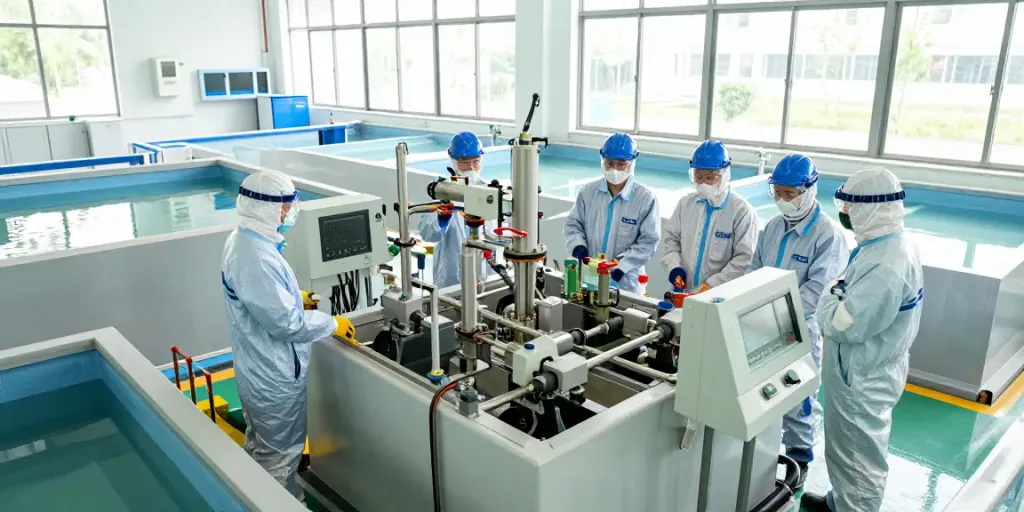
In the realm of water treatment, Integrated Modular Systems find profound applications. For instance, QILEE's advanced water treatment solutions include Integrated Membrane Water Treatment Systems, Chemical Treatment Systems, and DAF (Dissolved Air Flotation) Integrated Treatment Systems. Each of these systems is meticulously designed to tackle specific challenges associated with water purification, such as suspended solids removal and effective sludge dewatering.
Main Benefits of QILEE's Integrated Modular Systems
Efficiency in Water Treatment Processes
The foremost advantage of QILEE's Integrated Modular Systems is their ability to significantly enhance operational efficiency. By utilizing modular components, these systems can optimize processes such as chemical dosing and sludge dewatering, ensuring that water treatment facilities remain effective even under varying loads and conditions. This efficiency not only leads to a quicker turnaround in water processing but also enhances the overall quality of treated water, making it suitable for various applications.
Cost-Effectiveness and Resource Management
Cost management is critical in any industrial operation. Integrated Modular Systems allow for cost-effective solutions by minimizing the need for extensive infrastructure investments. Instead of building large, fixed systems, businesses can implement smaller, modular units that are less capital-intensive and easier to maintain. Moreover, these systems promote better resource management by utilizing only what is necessary for specific tasks, thereby reducing energy consumption and waste generation.
Scalability and Customization Options
The scalability of Integrated Modular Systems is another noteworthy benefit. As water treatment needs evolve, businesses can easily scale up their operations by adding new modules or upgrading existing ones. This flexibility is crucial in industries where demand can fluctuate significantly, allowing operators to adapt without enduring excessive costs or delays. Furthermore, QILEE’s systems offer extensive customization options, ensuring that each solution can be tailored to meet unique environmental conditions and regulatory requirements.
Core Offerings of QILEE's Integrated Modular Systems
Overview of Product Lineup
QILEE’s portfolio encompasses a diverse range of Integrated Modular Systems specifically designed for water treatment. Key offerings include:
- Integrated Membrane Water Treatment Systems: These systems utilize advanced membrane technology to effectively remove contaminants and pathogens.
- Chemical Treatment Systems: Designed to optimize dosing and ensure precise chemical application, these systems enhance the efficiency of water treatment processes.
- DAF Integrated Treatment Systems: These are engineered for effective removal of suspended solids, utilizing dissolved air flotation mechanisms to improve clarity and treatment outcomes.
- Sludge Dewatering Modular Systems: Tailored for efficient sludge management, these systems ensure that unwanted materials are effectively processed and disposed of.
Comparative Analysis of Water Treatment Solutions
When examining various water treatment solutions, it is essential to understand how Integrated Modular Systems stand apart from traditional methods. Traditional systems are often rigid and require extensive modifications to accommodate new technologies or processes. In contrast, QILEE’s IMS are designed for easy integration with emerging technologies, ensuring that businesses remain at the forefront of industry innovations. Moreover, the modular nature of these systems allows for continuous upgrades and improvements without significant downtime.
Case Studies of Successful Implementations
Several case studies exemplify the effectiveness of Integrated Modular Systems in various industrial applications. For instance, in a recent project involving a municipal water treatment facility, QILEE’s DAF Integrated Treatment System drastically reduced the time needed for sludge processing while improving overall water quality. The project not only met regulatory standards but also resulted in substantial cost savings for the municipality, showcasing the practical benefits of adopting Integrated Modular Systems.
Challenges in Implementing Integrated Modular Systems
Common Misconceptions about Modular Systems
Despite the evident benefits, there are common misconceptions surrounding Integrated Modular Systems that may deter businesses from adopting this innovative approach. One prevalent myth is that modular systems compromise performance compared to traditional fixed systems. In reality, IMS are engineered to deliver high performance while offering the flexibility and scalability critical for modern operations.
Technical Hurdles to Anticipate
Implementing Integrated Modular Systems may present technical challenges, such as integration with existing infrastructure or ensuring compatibility of various modules. Conducting a thorough assessment prior to deployment can help identify potential barriers, allowing businesses to devise strategies to overcome them effectively. Engaging with experienced providers like QILEE can also provide valuable insights into best practices for seamless integration.
Solutions and Best Practices for Integration
To facilitate the successful implementation of Integrated Modular Systems, businesses should adhere to several best practices:
- Conduct Comprehensive Needs Assessment: Understand the specific requirements and goals of your water treatment processes to choose the most suitable modules.
- Engage with Experts: Partner with manufacturers like QILEE who can provide expertise and guidance throughout the implementation process.
- Plan for Scalability: Design the system with future growth in mind, ensuring that new modules can be easily added as needs change.
- Regular Maintenance: Establish a maintenance schedule to ensure that all modular components function optimally and efficiently.
The Future of Integrated Modular Systems in 2026
Emerging Trends and Innovations
Looking ahead to 2026, Integrated Modular Systems in water treatment are poised for significant advancements. Emerging technologies such as artificial intelligence and machine learning are likely to play vital roles in optimizing water treatment processes. These innovations can enhance decision-making through real-time data analytics, leading to improved efficiency and resource management.
Regulatory Changes Affecting Water Treatment
The water treatment industry is heavily influenced by evolving regulations aimed at improving water quality and protecting public health. As these regulations become more stringent, Integrated Modular Systems will need to adapt to ensure compliance. Manufacturers like QILEE are already preparing for these changes by developing systems that can easily be modified to meet new standards.
Predictions for Market Growth and Development
The market for Integrated Modular Systems is anticipated to grow considerably over the coming years. Factors driving this growth include increased awareness of water scarcity, environmental sustainability, and the need for efficient waste management solutions. As more industries recognize the benefits of modular systems, the demand for versatile and effective water treatment solutions will continue to rise.
What is an example of a modular system?
An example of a modular system can be found in QILEE’s Integrated Modular Water Treatment Systems that offer standalone modules for different treatment processes, all of which can work together cohesively.
How much does a modular system cost?
The cost of modular systems varies widely based on the complexity and scope of the solution chosen. Businesses can achieve cost savings by investing in modular components that can be scaled and adapted as needed, rather than committing to a fully integrated, fixed system.
What is modular integrated construction?
Modular integrated construction refers to the process of creating buildings using pre-fabricated modules that can be assembled on-site, providing significant time and cost efficiencies in the construction process.
What is the difference between modular and integrated design?
The primary difference between modular and integrated design lies in their approach; modular design focuses on creating interchangeable components, while integrated design emphasizes creating cohesive systems that function seamlessly together.
How can integrated modular systems improve efficiency?
Integrated Modular Systems improve efficiency by allowing for better resource management, reducing downtime, and enabling easier scaling and customization of processes according to specific operational needs.