Understanding Amateur Radio and Its Importance
What is Amateur Radio?
Amateur radio, often referred to as "ham radio," is a popular hobby that allows individuals to communicate over various frequencies using radio equipment. Unlike commercial radio services, amateur radio is operated by licensed individuals who use it for non-commercial purposes. The main goals of amateur radio include personal enjoyment, experimentation, and communication, especially in emergencies. Hams can connect with people around the world, exploring different modes of communication, including voice, text, and even digital modes.
The Role of Amateur Radio in Emergency Communications
One of the critical facets of amateur radio is its role in emergency communications. During natural disasters or crises where traditional communication systems fail, amateur radio operators often step in to provide essential communication links. Organizations like the Amateur Radio Emergency Service (ARES) and the Radio Amateur Civil Emergency Service (RACES) mobilize ham operators to assist local authorities and humanitarian efforts. In fact, many operators participate in emergency drills, honing their skills to ensure they are prepared when real emergencies arise.
Benefits of Getting Involved in Amateur Radio
Engaging in amateur radio offers numerous benefits:
- Community Connection: Joining the amateur radio community allows individuals to meet like-minded enthusiasts, share knowledge, and participate in events.
- Technical Skills: Hams develop technical skills in electronics, radio theory, and communication protocols, which can be invaluable in various fields.
- Global Communication: Amateur radio allows for communication with people worldwide, fostering cultural exchange and friendships.
- Fun and Experimentation: Many enjoy building their own equipment, experimenting with different technologies, and participating in contests.
Choosing the Right License Class for Beginners
Overview of License Classes: Technician, General, Extra
In the United States, the Federal Communications Commission (FCC) regulates amateur radio licenses, which are divided into three classes:
- Technician: This is the entry-level license, granting access to VHF and UHF bands and limited HF privileges. It's the most popular choice for beginners.
- General: Upon passing additional exams, hams can upgrade to the General class, which provides broader access to HF bands and additional privileges.
- Extra: The highest class, requiring a more extensive exam, granting full privileges across all amateur bands.
Requirements and Privileges of Each License Class
The requirements for each license class vary:
- Technician Class: Requires passing a 35-question multiple-choice exam covering basic radio theory, regulations, and practices. Privileges include access to all VHF/UHF bands and limited HF privileges on specific frequencies.
- General Class: Involves passing a 35-question exam with a focus on more advanced radio theory and regulations. General class hams gain access to additional HF bands.
- Extra Class: Requires passing a 50-question exam that covers advanced topics. Extra class operators enjoy the most extensive privileges, including access to all amateur frequencies.
How to Decide Which License Class is Right for You
For beginners, the Technician license is often the best starting point. It covers fundamental concepts and offers enough privileges to explore the hobby. If you find yourself enjoying amateur radio and want to access more frequencies and capabilities, you can consider studying for the General class exam. The Extra class is generally pursued by those who are committed to advancing their knowledge and skills significantly. Assess your interests and goals within amateur radio to determine the best class for you.
Preparing for the Licensing Exam
Study Materials and Resources for Beginners
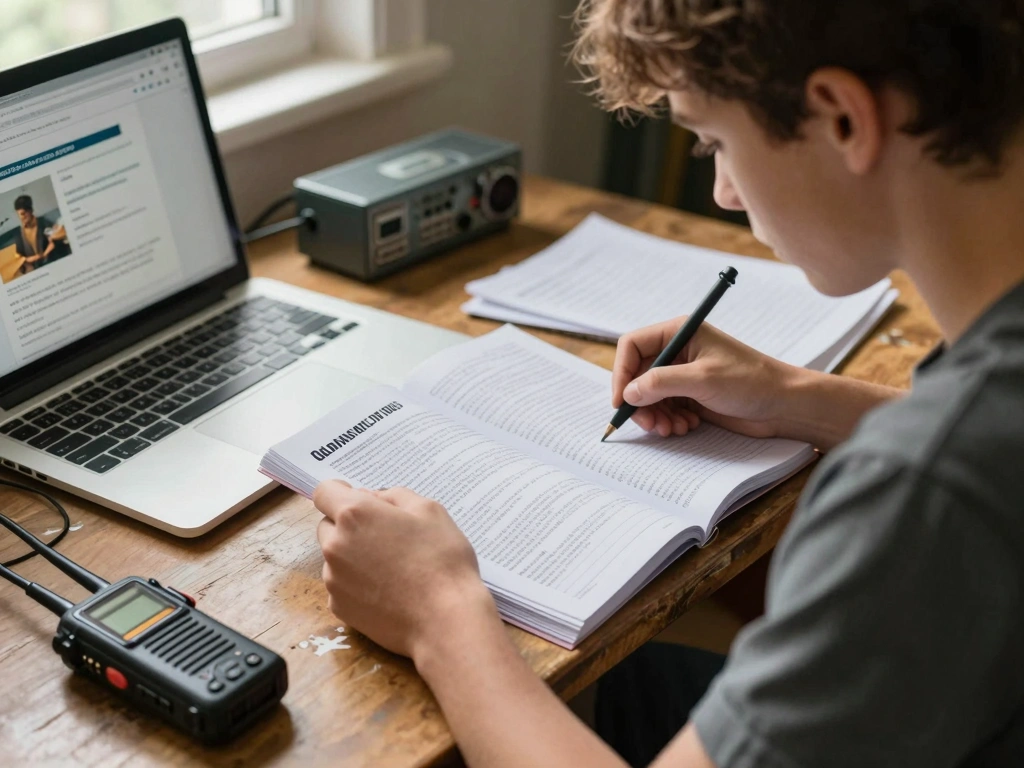
Preparation is key to passing the licensing exam. Fortunately, there are numerous study materials available:
- Books: Consider the "Technician Class License Manual" by Gordon West or "ARRL's Ham Radio License Manual." These books provide comprehensive coverage of the exam topics.
- Online Courses: Websites like HamStudy.org and QRZ.com offer free courses and resources tailored to the licensing exams.
- YouTube Channels: Many ham radio enthusiasts create video tutorials and exam prep sessions, such as the "Ham Radio Crash Course" channel.
Practice Tests and Exam Strategies
Taking practice tests is an excellent way to prepare. Websites like QRZ.com and HamStudy.org provide practice exams that simulate the actual testing environment. Here are some strategies to enhance your preparation:
- Regular Study Schedule: Set aside dedicated time each week to study and review material.
- Group Study: Join a study group or find a study buddy to discuss and review questions together.
- Focus on Weak Areas: Identify which topics you find most challenging and spend extra time mastering them.
Joining a Local Amateur Radio Club for Support
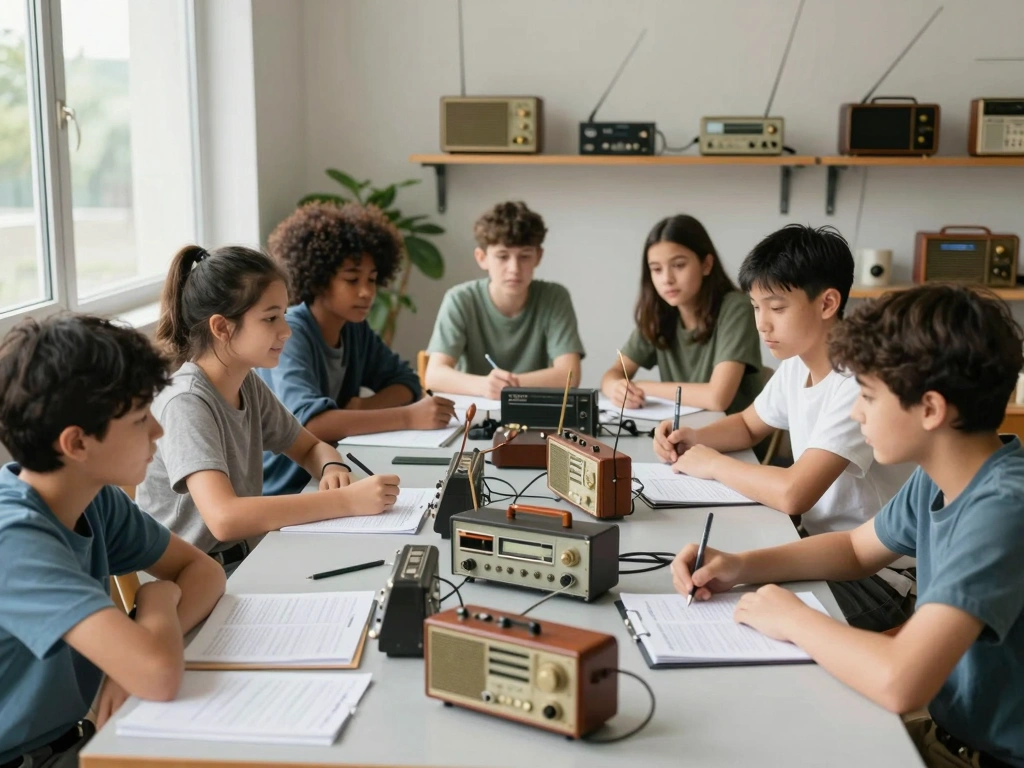
Joining a local amateur radio club can greatly enhance your learning experience. Clubs often offer classes, study sessions, and mentorship from experienced operators. Additionally, clubs frequently organize exam sessions, making it easier to take your test. Engaging with the community can also provide networking opportunities and potential pathways for further education.
Taking the Licensing Exam
What to Expect on Exam Day
On exam day, arrive early to familiarize yourself with the environment. Bring the following items:
- Two forms of identification, including one with a photo.
- A copy of your current license or proof of eligibility if you are upgrading.
- A calculator (if allowed by the exam proctor).
- A pen or pencil for taking notes.
Expect the exam to be conducted in a quiet, organized setting, often led by volunteer examiners. The atmosphere is generally friendly and supportive, aimed at helping you succeed.
Where and How to Take the Exam
Exams are typically held at local amateur radio clubs, community centers, or schools. You can find exam sessions by checking the ARRL website or contacting local clubs. Registration is usually required, so ensure you sign up in advance. Some clubs may offer exams via remote methods, utilizing video conferencing platforms to accommodate applicants.
Understanding the Grading Process and Results
After completing the exam, it usually takes a few minutes for the examiners to grade your test. If you pass, you will receive a Certificate of Successful Completion of Examination (CSCE), which you can use to apply for your license. Results are generally submitted to the FCC within a few days, and you can expect to receive your license in the mail within a few weeks. If you do not pass, don't be discouraged; many people take the exam multiple times. Use the feedback to focus your studies for the next attempt.
Next Steps After Obtaining Your License
Setting Up Your First Station: Equipment Recommendations
Once you obtain your license, setting up your first amateur radio station is the next exciting step. Here are some essential equipment recommendations:
- Transceiver: For beginners, a good starting point is the Icom IC-7300, an all-mode transceiver that covers HF, VHF, and UHF bands.
- Antenna: A simple dipole antenna can provide excellent performance for a beginner’s station. The MFJ-1778 is a popular choice among novices.
- Power Supply: A reliable power supply, such as the Samlex SEC-1223, is essential for powering your equipment.
- Accessories: Don’t forget items like a quality microphone, headphones, and a sturdy desk to house your equipment.
Getting Involved in the Amateur Radio Community
After setting up your station, actively engaging with the amateur radio community can enrich your experience. Participate in local club meetings, attend hamfests (conventions), and join online forums. These interactions can provide valuable insights, introduce you to new friends, and keep you updated on the latest technologies and practices in amateur radio.
Continuing Education and Upgrading Your License
Amateur radio is a field of continuous learning. As you grow your skills, consider studying for your General or Extra class licenses to gain additional privileges and access to more advanced topics. Many resources, including books and online courses, are available for ongoing education. Additionally, exploring areas like digital modes, satellite communications, or contesting can further enhance your amateur radio journey.