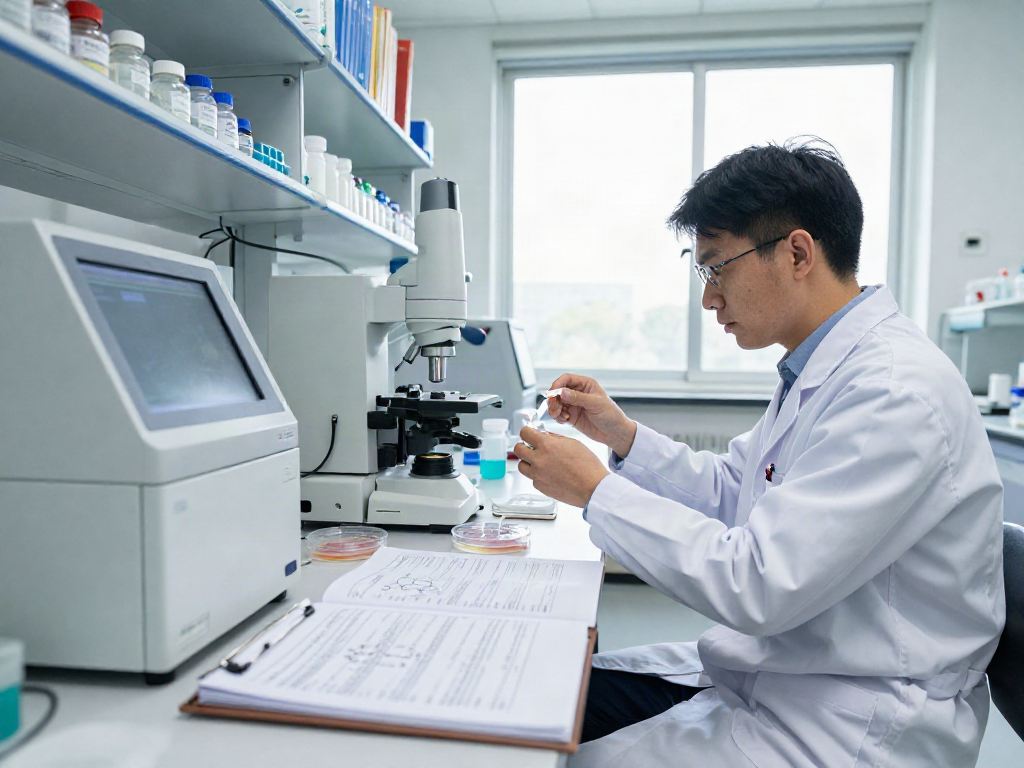
Understanding Thyroid Disorders
The thyroid gland, located in the front of the neck, plays a crucial role in the body's metabolism by producing hormones that regulate various bodily functions. Despite its small size, the thyroid can be a source of a variety of health issues when it becomes dysfunctional. Common disorders include hypothyroidism, hyperthyroidism, and thyroid nodules, each of which can lead to a range of symptoms, affecting quality of life significantly. When exploring options for Thyroid treatment, understanding these disorders is essential for effective management and recovery.
What is the Thyroid Gland?
The thyroid gland functions as an endocrine gland, responsible for the production of key hormones, primarily thyroxine (T4) and triiodothyronine (T3). These hormones help regulate metabolism, energy production, and overall bodily functions. A well-functioning thyroid ensures that the body's systems operate optimally, while any disruption can lead to significant health challenges.
Common Thyroid Disorders Explained
- Hypothyroidism: A condition where the thyroid gland does not produce enough hormones, leading to symptoms like fatigue, weight gain, and depression.
- Hyperthyroidism: This occurs when the thyroid produces too much hormone, causing symptoms such as weight loss, rapid heartbeat, and anxiety.
- Thyroid Nodules: These are lumps in the thyroid gland that can be benign or malignant. Most nodules are noncancerous but some can affect hormone production and require monitoring or treatment.
Symptoms of Thyroid Conditions
Symptoms of thyroid disorders can vary widely depending on whether the condition is hypothyroidism or hyperthyroidism. Common symptoms include:
- Fatigue or increased energy levels
- Weight changes (gain or loss)
- Changes in heart rate
- Temperature sensitivity
- Hair and skin changes
- Difficulty concentrating
Diagnosis of Thyroid Disorders
Accurate diagnosis of thyroid disorders is critical for effective treatment. It typically begins with a detailed medical history and physical examination to assess symptoms and family history.
Initial Consultation and Tests
During the initial consultation, healthcare providers will evaluate symptoms and may perform a physical examination to check for signs such as swelling in the neck or changes in hair and skin. The doctor may also order a series of blood tests.
Blood Tests for Thyroid Function
Blood tests are essential for diagnosing thyroid disorders, with tests for Thyroid Stimulating Hormone (TSH) and free T3 and T4 being the most common. Abnormal levels can indicate whether the thyroid is underactive or overactive.
Imaging Techniques in Diagnosis
In some cases, imaging tests such as ultrasound or radioactive iodine scans may be necessary to further evaluate thyroid nodules or assess the size and condition of the thyroid gland.
Thyroid Treatment Options
Treating thyroid disorders typically involves a combination of medications, lifestyle changes, and sometimes surgery, depending on the specific condition and severity.
Medications for Hypothyroidism and Hyperthyroidism
For hypothyroidism, the standard treatment involves daily use of synthetic thyroid hormone levothyroxine to replace the missing hormones. In contrast, hyperthyroidism can be treated with antithyroid medications, which help reduce the production of hormones.
Radioactive Iodine Therapy Explained
Radioactive iodine therapy is often utilized for hyperthyroidism and involves taking radioactive iodine orally. The thyroid gland absorbs this iodine, which then reduces hormone levels by damaging the cells that produce them.
Surgical Options for Thyroid Nodules and Cancer
In cases where thyroid nodules are large or cancerous, surgery may be required to remove part or all of the thyroid gland. Post-surgery, patients usually need lifelong monitoring and possibly hormone replacement therapy.
Holistic Approaches to Supporting Thyroid Health
Beyond conventional medical treatments, holistic approaches can support thyroid health, including dietary changes, physical activity, and lifestyle adjustments.
Dietary Recommendations for Thyroid Health
A balanced diet rich in fruits, vegetables, lean proteins, and healthy fats can support thyroid function. Key nutrients include iodine, selenium, and zinc, which are known to play a role in hormone production.
The Role of Exercise in Thyroid Management
Regular physical activity can help manage weight, improve mood, and boost energy levels, which is particularly beneficial for patients with thyroid disorders.
Natural Supplements and Lifestyle Changes
Some patients find relief through natural supplements, such as ashwagandha or omega-3 fatty acids. However, it’s crucial to discuss these with a healthcare provider to avoid interactions with prescribed medications.
Real-Life Patient Experiences with Thyroid Treatment
Personal stories provide valuable insights into the challenges and triumphs faced by those dealing with thyroid disorders. Here are a few examples.
Case Study: Successful Hypothyroidism Management
One patient, Sarah, struggled with low energy and weight gain for years before being diagnosed with hypothyroidism. After starting levothyroxine, she reported significant improvements in energy levels and overall quality of life.
Overcoming Challenges: A Patient's Journey
John’s story is one of perseverance. Diagnosed with hyperthyroidism, he faced anxiety and rapid weight loss. After medication and therapy, he stabilized his condition and learned valuable coping mechanisms, contributing to his overall well-being.
Advice from Patients Who Have Understood Thyroid Issues
Many patients emphasize the importance of staying informed and being proactive about health. Joining support groups and seeking second opinions are common recommendations that can lead to better management outcomes.
What are the most common symptoms of thyroid disorders?
The most common symptoms include fatigue, weight changes, and mood fluctuations, but they can vary widely depending on whether the condition is hypothyroidism or hyperthyroidism.
How is thyroid treatment tailored to individual needs?
Thyroid treatment is personalized based on blood test results, symptoms, and overall health. Healthcare providers work closely with patients to determine the best approach.
Can lifestyle changes improve thyroid function?
Yes, lifestyle changes such as diet, exercise, and stress management can significantly impact thyroid function and overall health.
What are the risks of untreated thyroid conditions?
Untreated thyroid conditions can lead to severe health issues, including heart problems, osteoporosis, and in extreme cases, thyroid storm or myxedema coma, which can be life-threatening.
How do I find a qualified specialist for thyroid treatment?
To find a qualified specialist, you can consult your primary care physician for referrals or check with healthcare networks to ensure you are seeing an endocrinologist with experience in thyroid disorders.