Understanding Bed Bug Heat Treatment
What is Bed Bug Heat Treatment?
Bed bug heat treatment is an effective pest control method that utilizes high temperatures to eliminate bed bugs and their eggs. This approach is recognized for its ability to penetrate into various materials, ensuring a thorough extermination process. By raising the ambient temperature in infested spaces, typically between 120°F to 135°F, all life stages of bed bugs—including eggs—are killed, making it a powerful solution for those dealing with infestations. For more information on the science behind effective treatments, check this guide on bed bug heat treatment.
How Does Bed Bug Heat Treatment Work?
The efficacy of bed bug heat treatment lies in its ability to disrupt the physiological processes of bed bugs. When exposed to temperatures above 120°F for a sufficient duration, bed bugs cannot survive. This method requires professional equipment to evenly distribute heat throughout the infested area, ensuring that every nook and cranny is reached. The treatment typically lasts for several hours, allowing for maximum lethality against all bed bug life stages.
Benefits of Bed Bug Heat Treatment
Bed bug heat treatment offers several advantages, including:
- Non-Toxic Nature: Unlike chemical treatments, heat treatment does not involve harsh chemicals, making it safer for families and pets.
- Rapid Results: Many infestations can be resolved in a single day, minimizing disruption to daily life.
- Comprehensive Elimination: Heat reaches hidden areas, effectively targeting bed bugs where they hide.
- Long-Lasting Effects: By killing eggs, the chance of reinfestation is significantly reduced compared to conventional methods.
Preparing for Bed Bug Heat Treatment
Steps to Prepare Your Home
Preparation is crucial for an effective bed bug heat treatment. Here are the steps you should follow:
- Declutter: Remove excess items from the infested area to ensure proper heat distribution.
- Protect Valuables: Seal important documents, electronics, and delicate items in plastic bags to avoid heat damage.
- Launder Fabrics: Wash and dry all bedding, curtains, and clothing at high temperatures to assist in the extermination process.
- Communicate with the Exterminator: Make sure to inform them of all potential hiding spots for bed bugs.
Safety Precautions to Consider
Safety is paramount during bed bug heat treatment. Here are some precautions to consider:
- Ensure that any flammable materials are removed from the area.
- Pets and humans should be evacuated from the treatment zone for the duration of the process.
- Follow the exterminator's instructions carefully to ensure the treatment is both effective and safe.
Common Misconceptions About Heat Treatment
Many myths surround bed bug heat treatment, including:
- It Only Works on Adult Bugs: Heat treatment effectively kills all life stages, including eggs.
- It's Too Expensive: While upfront costs may be higher, the long-term savings from reduced reinfestation can be significant.
- DIY Options are Just as Effective: Unlike professional treatments, DIY options may not reach necessary temperatures and may lead to incomplete extermination.
The Bed Bug Heat Treatment Process
Equipment Used in Bed Bug Heat Treatment
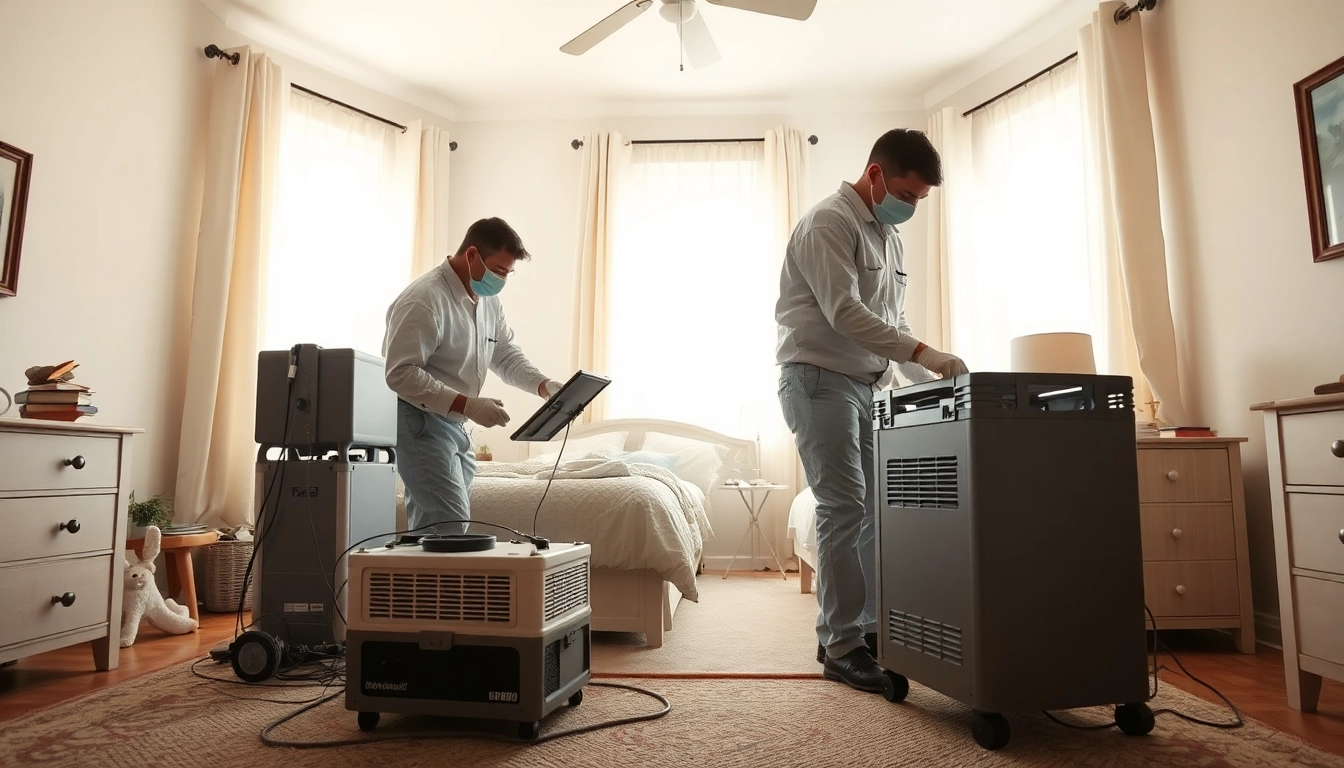
The treatment process requires specialized equipment to achieve and maintain the required temperatures. Equipment often includes:
- Electric Heaters: These are portable units designed to raise ambient temperatures quickly.
- Thermal Imaging Cameras: Used to identify cooler areas where bed bugs may hide.
- Fans: To facilitate air circulation to ensure that heat reaches all corners of the room.
How Long Does Treatment Take?
The duration of bed bug heat treatment can vary but typically lasts around 4 to 8 hours. Depending on the severity of the infestation and the size of the treated area, your exterminator will determine the exact timing. It's crucial to allow the treatment to run its full course to ensure all bed bugs are destroyed.
What to Expect During Treatment
During the treatment, you can expect the following:
- Arrival of the extermination team with the necessary equipment.
- Assessment of the area and setting up heaters and fans.
- Monitoring of temperatures to ensure effective heat distribution.
- A full report on the process once it’s completed, including recommendations for follow-up actions.
Post-Treatment Considerations
Monitoring for Signs of Bed Bug Reinfestation
After heat treatment, it is essential to monitor for any signs of bed bugs. Inspect areas regularly for droppings, shed skins, or actual bugs. Bed bugs may be hiding in places not completely exposed to heat; vigilance is key to preventing reinfestation.
Maintenance Tips After Heat Treatment
To maintain a bed-bug-free environment post-treatment, consider these maintenance tips:
- Continue laundering bedding and clothing regularly.
- Seal any cracks and crevices in furniture and walls where bed bugs can hide.
- Consider using mattress encasements to protect against any potential reinfection.
When to Schedule a Follow-Up Treatment
Depending on the initial severity of the infestation, a follow-up treatment may be necessary. If you notice any signs of bed bugs returning, contact your exterminator to discuss a possible retreatment. Routine checks and proactive measures can provide added security against future infestations.
Frequently Asked Questions About Bed Bug Heat Treatment
How effective is bed bug heat treatment?
Bed bug heat treatment is highly effective, achieving over 90% elimination rates by targeting all life stages. Proper execution is crucial for success.
Is bed bug heat treatment safe for pets?
Yes, it is safe for pets, provided they are removed from the treatment area during the process to avoid stress and potential heat exposure.
What are the costs associated with bed bug heat treatment?
Costs can vary widely, typically ranging from $300 to $1,500, depending on the size of the infestation and area treated.
Can I do bed bug heat treatment myself?
While DIY options exist, they are often less effective than professional treatments. Professionals use specialized equipment to ensure comprehensive heat penetration.
What temperatures are needed for effective heat treatment?
Efficacious treatment generally requires temperatures between 120°F to 135°F for a minimum of several hours to ensure bed bugs are killed effectively.