Understanding Bed Bug Infestations
What Are Bed Bugs?
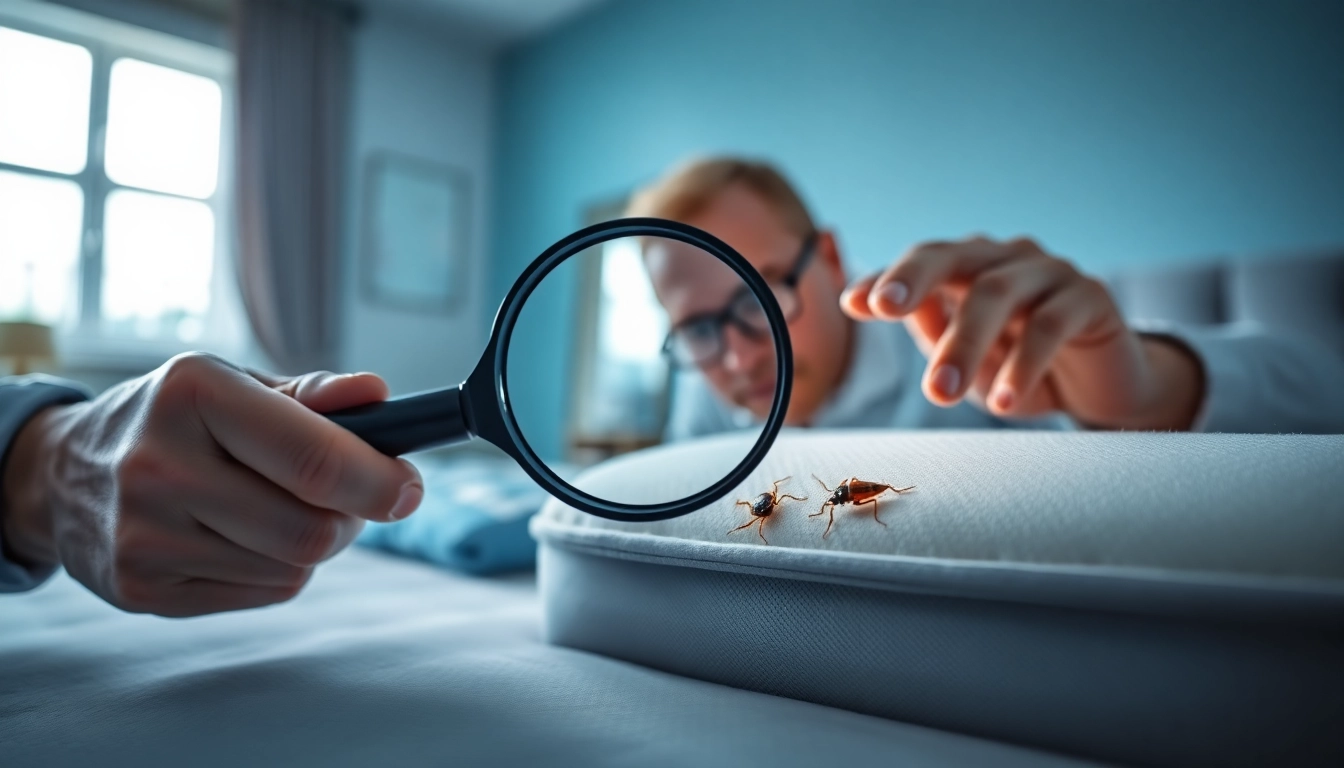
Bed bugs, scientifically known as Cimex lectularius, are small, wingless insects that feed on the blood of warm-blooded hosts, primarily humans. Adult bed bugs are reddish-brown in color, resembling small apple seeds, and measure about 5 to 7 mm in length. They are nocturnal creatures that often hide in crevices during the day and come out at night to feed. Understanding their biology is essential for effective bed bug pest control.
Common Signs of Infestation
Identifying signs of bed bugs early can be critical in managing an infestation effectively. Common indicators include:
- Small, reddish-brown spots on bedding or mattresses, which are often their excrement.
- Visible shed skins as bed bugs molt.
- Unexplained bites on exposed skin, typically appearing in clusters or lines.
- Sweet, musty odor from the bugs’ scent glands.
- Presence of eggs, which are tiny and white, making them difficult to spot.
Why Fast Action Is Crucial
Taking prompt action when signs of bed bugs are suspected is vital for several reasons. Bed bug populations can grow rapidly, doubling in size every 16 days under optimal conditions. A small infestation can escalate into a larger one quickly, leading to more significant discomfort and a higher cost of elimination. Timely action also prevents the spread of bed bugs to other areas of the home or to neighboring units, which is particularly critical in multi-family living environments.
Essential Bed Bug Pest Control Techniques
Physical Removal Methods
Physical removal is often the first line of defense in managing bed bug infestations. This approach includes:
- Vacuuming: Regular vacuuming can remove bed bugs and their eggs from carpets, upholstery, and other surfaces. It is essential to dispose of the vacuum bag in a sealed plastic bag to prevent any remaining bugs from escaping.
- Steam Cleaning: Bed bugs cannot withstand high temperatures. Using a steam cleaner on mattresses, bedding, and even furniture can be an effective method of extermination.
- Diatomaceous Earth: This natural pesticide can be sprinkled in areas where bed bugs are likely to hide. Its fine particles damage the bugs’ exoskeleton, leading to dehydration and death.
Heat Treatment Approaches
Heat treatment has gained popularity as a highly effective method of eradicating bed bugs. This technique raises the temperature in an infested area to a level that is lethal to bed bugs (approximately 118°F or 48°C). Options include:
- Portable Heat Chambers: These can be placed in rooms with heavy infestations, ensuring that every surface reaches the required temperature.
- Whole-room Heating Systems: Professional pest control services often utilize these powerful systems to treat entire rooms effectively.
- Hot Water Washing: Washing infested fabrics in hot water (at least 130°F or 54°C) and drying them in a hot dryer for at least 30 minutes can kill bed bugs at all stages.
Chemical Pest Control Options
Chemical treatments can effectively complement physical and heat methods. Some effective agents include:
- Insect Growth Regulators (IGRs): These disrupt the life cycle of bed bugs, preventing them from maturing and reproducing.
- Pyrethroids and Pyrethrins: Commonly used in many commercial pest control products, these chemicals are effective at killing bed bugs on contact but can lead to resistance in some populations.
- Biopesticides: Derived from natural materials, these eco-friendly options can provide bed bug control with minimal environmental impact.
Preparing Your Home for Bed Bug Pest Control
Steps to Take Before Treatment
Proper preparation before a treatment is crucial for success. Consider the following steps:
- Declutter: Clear out items, especially from bedrooms and living areas, to create a clear path for treatment.
- Remove Bedding: Take all bedding, linens, and clothing to the laundry. Wash and dry them on high heat.
- Isolate Furniture: Move furniture away from walls and remove items that may obstruct treatment.
- Inform Housemates: Notify others living in the household, as bed bugs can easily travel between rooms.
Cleaning Practices to Follow
Cleaning is integral to any successful bed bug pest control strategy. Key practices include:
- Vacuuming: Thoroughly vacuum carpets, crevices, and any furniture. Pay special attention to seams, corners, and other hiding spots.
- Dispose of Vacuum Contents: Dispose of vacuum contents in a sealed bag immediately to prevent reinfestation.
- Regular Maintenance: Keeping a regular cleaning schedule can help maintain a bed bug-free environment after treatment.
What to Expect During Treatment
During treatment, whether using professional services or attempting DIY methods, it's normal to feel a range of emotions. Expect the following:
- Duration: Treatments can last from a few hours to several days, depending on the infestation's severity.
- Preparation for Follow-Up: You may be required to take additional steps after initial treatments, such as vacuuming again or waiting to see if any bed bugs remain.
- Understanding Limitations: No treatment guarantees 100% eradication. It’s crucial to remain vigilant and follow up with preventive measures.
Post-Treatment Care and Prevention
Checking for Residual Infestation
After treatment, continue to check for signs of bed bugs. This can include inspecting sleeping areas carefully and monitoring families for bites. Regular monitoring can help catch any remaining bugs early, allowing for prompt action.
Implementing Ongoing Prevention Strategies
Preventing future infestations is crucial. Implement strategies such as:
- Encase Mattresses and Pillows: Use bed bug-proof encasements to protect against future infestations.
- Regular Inspections: Conduct routine checks of your home, especially for luggage after travel.
- Seal Cracks and Crevices: Close off potential hiding spots in walls and furniture to make it harder for bed bugs to settle back in.
Importance of Regular Inspections
Regular visual inspections can help identify potential infestations before they escalate. Look for signs mentioned earlier, especially after receiving visitors or returning from travel. Establishing a habit of checking your living space quarterly can be beneficial.
Frequently Asked Questions about Bed Bug Pest Control
What is the most effective method for bed bug pest control?
The most effective approach integrates multiple strategies, combining heat treatment, physical removal, and chemical solutions for comprehensive eradication.
How can I prepare my home for bed bug treatment?
To prepare, declutter your space, wash all bedding in hot water, and vacuum everything thoroughly to eliminate eggs and bugs prior to treatment.
How long does bed bug pest control treatment typically take?
Most treatments span a few hours; however, complete eradication can take longer based on the infestation's severity and the method used.
Can I handle bed bug pest control myself?
While DIY options exist, professional pest control services are recommended for severe infestations to ensure thorough and complete removal.
What are the signs that bed bug treatment was successful?
Success can be identified through the absence of new bites, no signs of live bugs, and no fresh droppings or shed skins for several weeks following treatment.