The Importance of Community Connections After You Moved Here
Relocating to a new area can be both exciting and daunting. The sense of adventure that comes with a fresh start is often coupled with challenges, particularly in forming new relationships and establishing a sense of belonging. When you’ve moved here, understanding the importance of community connections becomes vital for your overall well-being and integration into your new environment.
Building Relationships in Your New Neighborhood
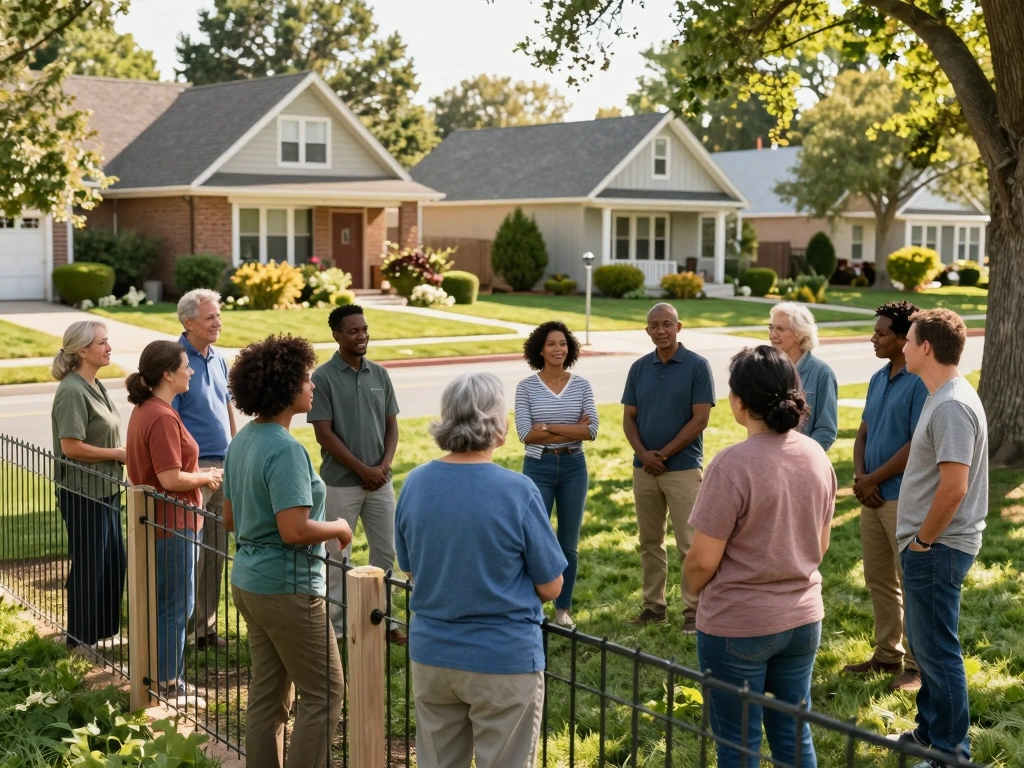
Establishing connections within your new neighborhood can significantly enhance your living experience. Start by introducing yourself to neighbors. Simple gestures, such as a friendly wave or a small chat on the lawn, can pave the way for deeper connections. Hosting a small gathering or participating in local events can also help break the ice. Utilize community boards or social media groups to find local meet-ups or neighborhood associations.
Embracing Local Culture and Activities
Every community has a unique culture that shapes the lifestyle of its residents. Engaging in local traditions, festivals, and activities not only enriches your own experience but also shows your commitment to becoming part of the community. Whether it’s attending farmers' markets, participating in local charity events, or joining clubs that align with your interests, immersing yourself in the local culture can create opportunities for friendship and connection.
Overcoming Common Relocation Challenges
Moving can be overwhelming, and it's common to feel a mix of excitement and anxiety. After you moved here, you may encounter feelings of homesickness, loneliness, or even apprehension about starting over. By acknowledging these feelings and actively seeking out community connections, you can mitigate some of these challenges. Consider reaching out to local support groups or counseling services that can provide assistance and guidance during this transitional period.
Strategies for Making Friends After You Moved Here
Making friends in a new city requires effort and initiative. However, by employing effective strategies, you can expand your social circle and cultivate lasting friendships.
Effective Networking in Your New Community
Networking is not just for professional purposes; it can also be a powerful tool for personal connections. Attend networking events that focus on your interests, such as book clubs, fitness classes, or hobby groups. Websites like Meetup.com can help you locate gatherings that appeal to you. Remember to follow up with new acquaintances, either through social media or in person, to solidify the connection.
Participating in Local Events and Gatherings
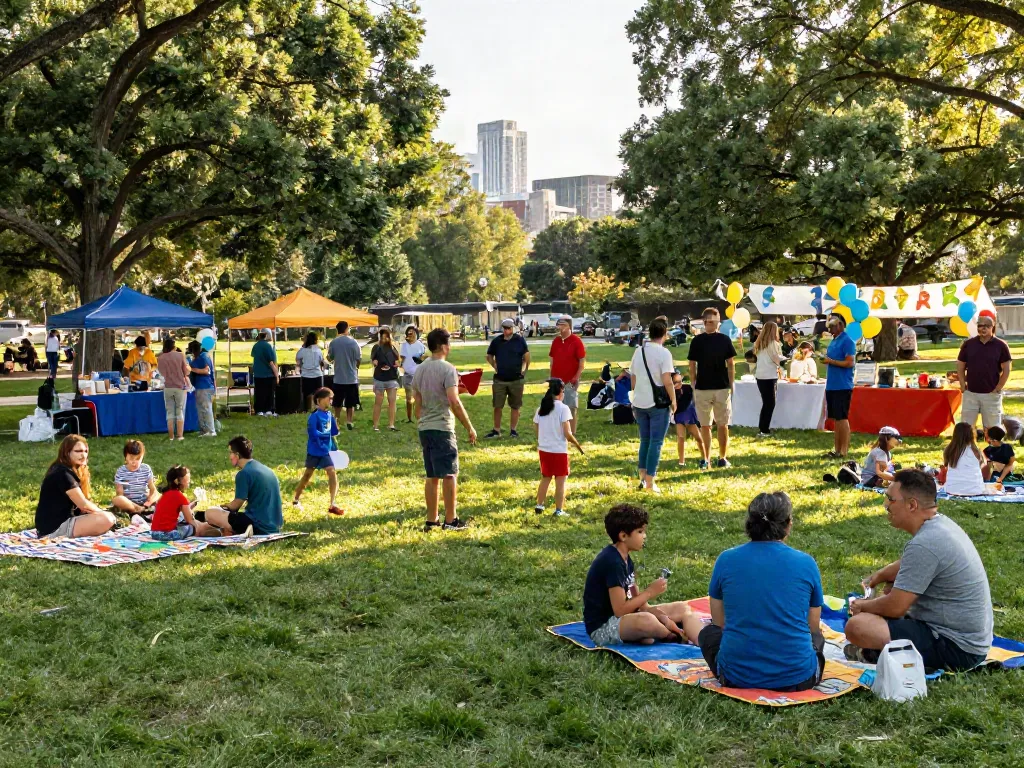
Local events, whether they are concerts, art festivals, or charity runs, present an excellent opportunity to meet new people. It’s important to keep an eye on community calendars and participate actively. Volunteering for local initiatives is another great way to meet like-minded individuals while also contributing positively to your new community.
Utilizing Social Media for Community Integration
Social media platforms provide various opportunities to connect with others in your area. Look for local Facebook groups or forums where community members share experiences, tips, and activities. Engaging in conversations online can lead to offline friendships and increase your involvement in community events.
Understanding the Psychological Impact of Moving
The emotional landscape after moving can be complicated. Understanding the psychological ramifications can help you cope better with the transition.
Managing Stress and Anxiety During Relocation
Relocation stress is a common experience. Factors such as adjusting to a new job, finding new schools for children, or simply the logistics of moving can be overwhelming. Developing a routine, prioritizing self-care, and reaching out for professional help if needed are crucial steps in managing stress during this phase.
Building a New Support System
A strong support system plays a crucial role in easing the transition after moving. Invest time in building a network of friends, colleagues, and community members who you can rely on for support. This can be a multi-faceted approach, including family members who live nearby, new friends from community events, and even colleagues at work.
Embracing New Experiences and Opportunities
Relocation also brings a wealth of new experiences. While it can be daunting, try to shift your mindset to view the move as an opportunity for personal growth. Explore your new surroundings, step out of your comfort zone by trying new activities, and engage with various community members. Embracing new experiences fosters resilience and creates lasting memories.
Practical Tips for Settling In After You Moved Here
Once the initial excitement of moving has subsided, settling into your new home and community becomes a priority. Here are practical tips to help you navigate this phase.
Creating a Comfortable Living Space
Your living space should feel like a home, reflecting your personality and comfort. Start by unpacking essentials and arranging your space in a way that feels familiar. Decorating your new home with personal touches, such as family photos or travel souvenirs, can help ease the transition and provide a sense of belonging.
Exploring Local Amenities and Services
Take time to familiarize yourself with local amenities such as parks, grocery stores, healthcare facilities, and other services that will be part of your daily life. Getting to know your surroundings not only helps you feel more at home but can also serve as a conversation starter with new acquaintances.
Engaging in Neighborhood Safety Initiatives
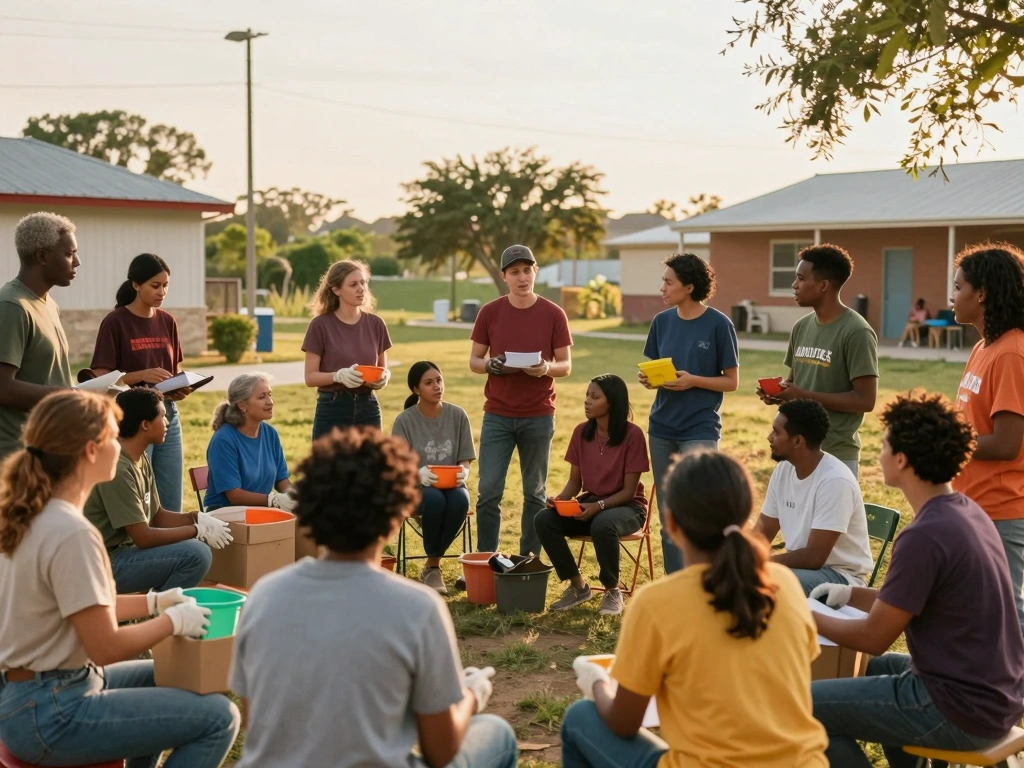
Participating in local safety initiatives, such as neighborhood watch programs or community clean-ups, can enhance your integration into the community while also contributing to its well-being. These initiatives often create opportunities for social interaction and help you connect with fellow residents who share similar values regarding community safety.
Future Trends in Community Living for Those Who Moved Here
The future of community living is likely to evolve significantly in the coming years, influenced by technology, environmental factors, and changing societal norms.
The Role of Technology in Neighborhood Engagement
As we move forward, technology will play an increasingly vital role in fostering community engagement. Platforms that facilitate communication and sharing among neighbors will grow in importance. Expect to see more neighborhood-specific apps that encourage local sharing, event planning, and collaboration.
Environmental and Sustainability Practices in Communities
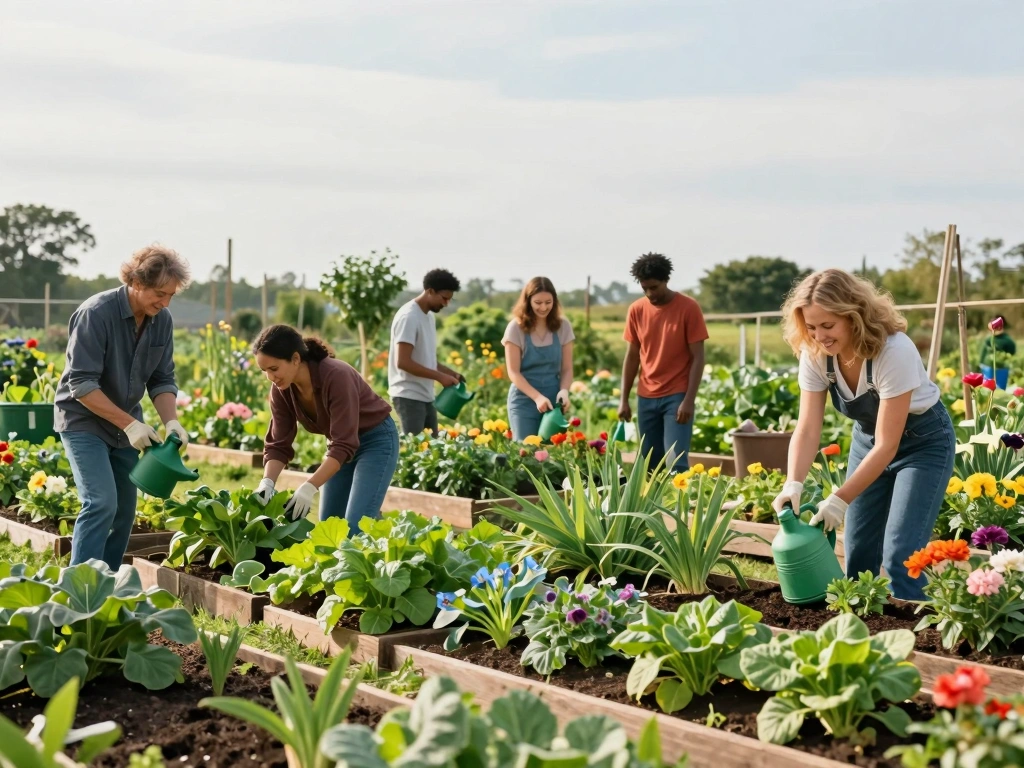
With rising concerns about the environment, communities are leaning towards sustainability. Expect to see more eco-friendly initiatives, such as community gardens, recycling programs, and energy-efficient neighborhood designs. This focus not only improves the environment but also fosters connections among residents who are committed to sustainability.
Predictions for Community Development by 2026
By 2026, community development is expected to become more inclusive, with an emphasis on diverse voices and needs. This trend may lead to improved infrastructure, inclusive community services, and greater focus on mental well-being in community planning. Engaging actively in local planning meetings can provide a voice in shaping a community that supports all its members.
What are the long-term benefits of moving here?
Moving to a new community offers long-term benefits including personal growth, expanded social networks, and enhanced life experiences. Over time, these connections can lead to professional opportunities, lifelong friendships, and a deeper understanding of diverse cultures.
How can I integrate into my new community more effectively?
Effective integration requires a proactive approach. Attend community events, volunteer, and engage with your neighbors regularly. The more active you are, the more you’ll feel connected to your new environment.
What activities can help me meet new people after moving here?
Consider activities such as joining local clubs, participating in fitness classes, or attending cultural events. All these provide opportunities to engage with new people in a relaxed and enjoyable setting.
What are common emotional challenges after moving here?
Common challenges include homesickness, loneliness, and anxiety. Recognizing these feelings is the first step to addressing them. Building a support system and exploring local opportunities can mitigate these challenges effectively.
How can I improve my neighborhood's sense of community?
Improving your neighborhood’s sense of community starts with individual actions such as organizing events, promoting local businesses, or starting community initiatives. Small actions can lead to significant changes and foster a sense of belonging among residents.