Introduction to Screen-Free Toys
In a world increasingly dominated by screens, finding ways to engage children in meaningful, creative play is more vital than ever. Screen-free toys are excellent resources for parents looking to create hands-on, imaginative experiences that foster growth and development. These toys encourage kids to use their minds and bodies in active ways, sparking creativity and enhancing learning. If you're seeking ideas on how to keep children entertained without electronic devices, learn more today about effective and fun methods of encouraging screen-free activities.
Benefits of Creative Play
Creative play is crucial for a child’s development, enabling them to explore their imagination while developing vital skills. Here are several key benefits:
- Emotional Growth: Engaging in creative play allows children to express their feelings, learn about empathy, and process emotions through storytelling and role-play.
- Problem-Solving Skills: When children create, they often encounter challenges. Navigating these encourages critical thinking and fosters resilience.
- Confidence Boost: Successfully creating something gives children a sense of accomplishment, building their self-esteem and encouraging them to try new things.
Why Screen-Free?
With the proliferation of tablets, smartphones, and televisions, children are spending more time engaged in screen-based activities, which can have detrimental effects such as reduced attention spans and social interaction deficits. Screen-free play promotes physical activity, imagination, and interpersonal connections, crucial for developing strong social skills. Moreover, stepping away from screens means that children can focus on their surroundings, engage in exercise, and develop a broader range of interests.
Types of Screen-Free Toys
There is a plethora of screen-free toys available that cater to various interests and age groups. Here are some popular categories:
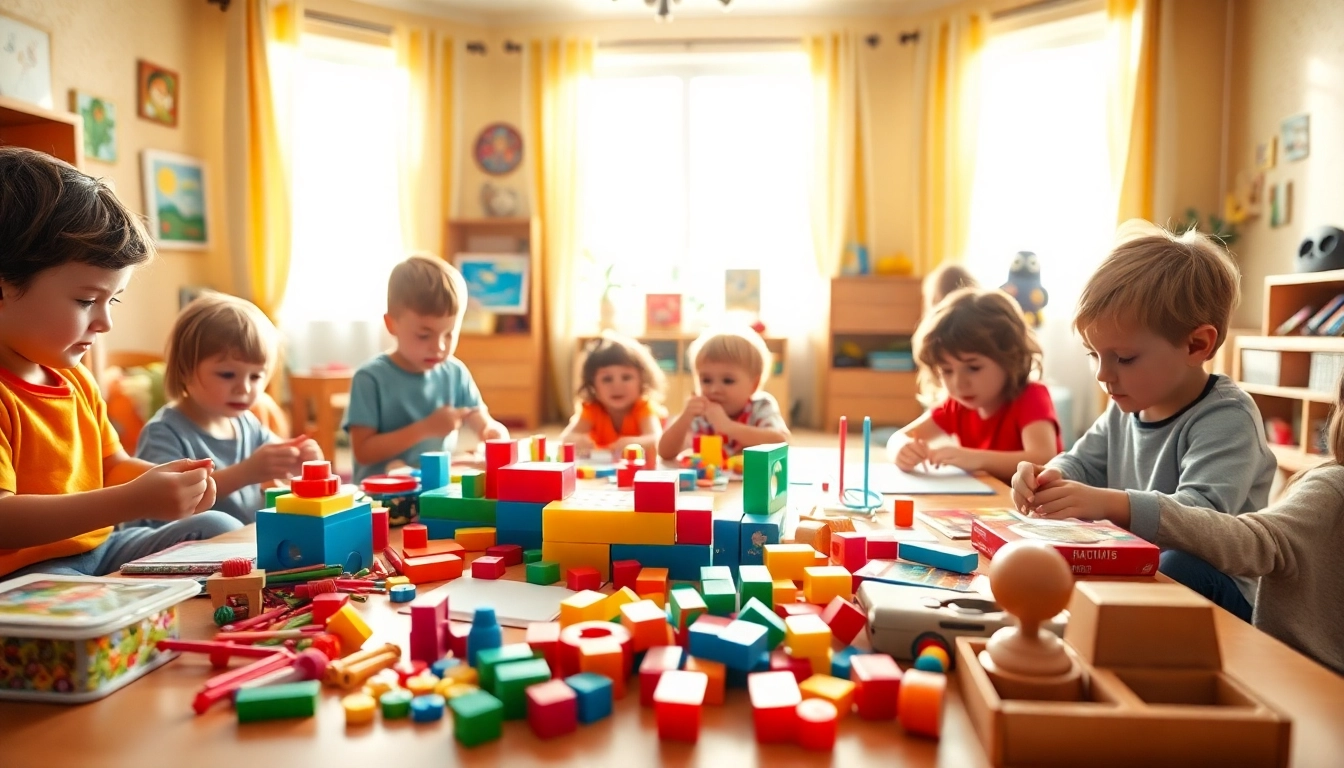
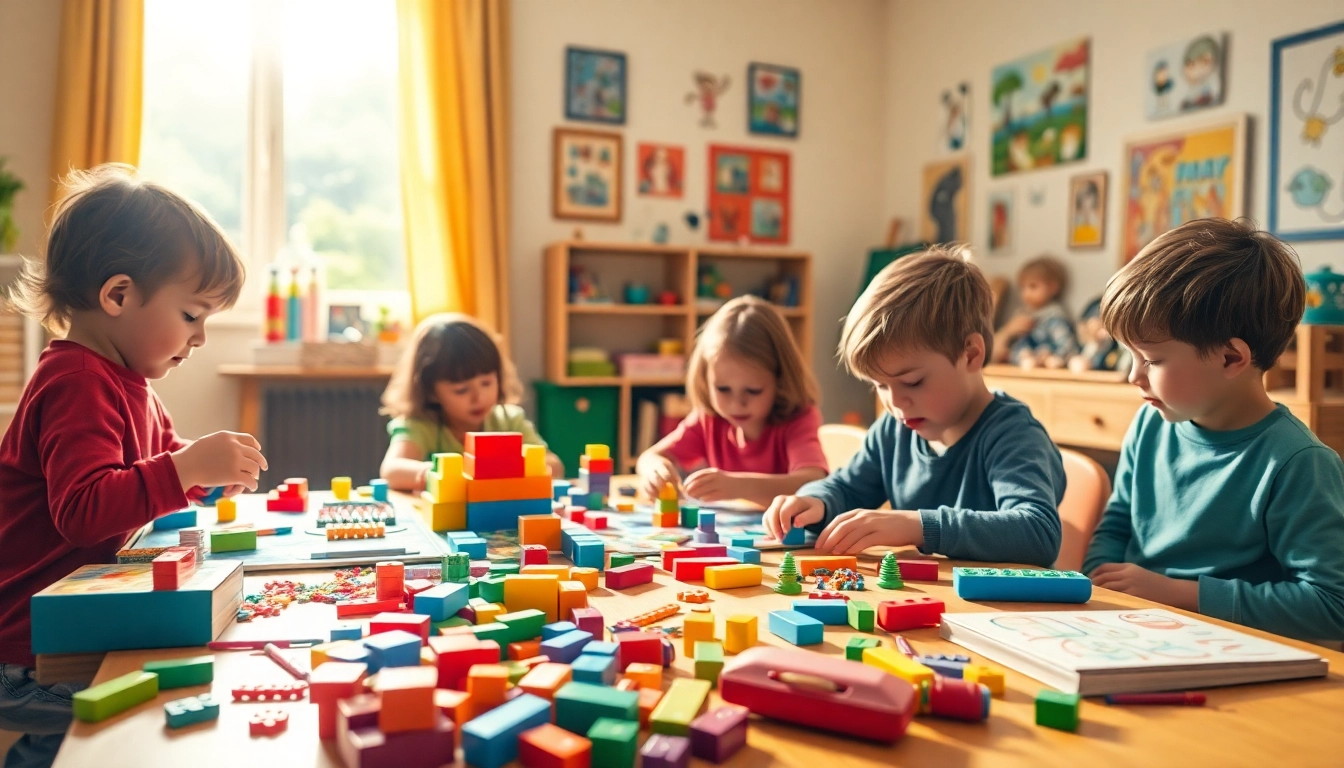
- Building Blocks: These toys inspire creativity and engineering skills as children construct various structures and learn about balance and stability.
- Art Supplies: Crayons, paints, and craft materials encourage artistic expression, helping children develop fine motor skills.
- Educational Board Games: Board games blend fun and learning, introducing concepts like teamwork, strategy, and critical thinking.
- Outdoor Toys: Items like balls, kites, and jump ropes promote physical activity and can be a great way for children to explore nature.
Building Skills through Play
Fine Motor Skills Development
Fine motor skills are essential for everyday tasks, such as writing, buttoning shirts, and using tools. Screen-free toys can significantly contribute to their development:
- Art and Craft Activities: Painting, drawing, and cutting with scissors help strengthen hand-eye coordination.
- Building Toys: Manipulating small pieces helps develop dexterity and precision with small movements.
- Puzzles: As children position pieces correctly, they enhance both their fine motor skills and cognitive abilities.
Cognitive Growth Activities
Cognitive skills encompass a range of abilities including thinking, reasoning, and problem-solving. Here are a few effective toys and activities that support cognitive growth:
- STEM Kits: Science, Technology, Engineering, and Mathematics (STEM) toys foster exploration and creativity while teaching foundational principles.
- Memory Games: Classic memory and matching games help enhance memory and improve concentration.
- Storytelling Tokens: Providing children with tokens to create their own stories fuels their imagination and promotes verbal skills.
Social Skills and Team Play
Playing with others is a key aspect of human development, and certain toys can help facilitate this:
- Cooperative Board Games: Games that require teamwork encourage communication and collaboration.
- Group Art Projects: Working together on a shared project fosters connections and teaches negotiation skills.
- Outdoor Sports Equipment: Engaging in team sports encourages leadership, teamwork, and social interaction.
Art and Craft Ideas
DIY Arts and Crafts Projects
Creating art at home can be a rewarding experience for both children and parents. Here are several DIY art ideas:
- Paper Mache: With simple ingredients like newspaper and glue, children can create sculptures while learning about texture and form.
- Nature Collages: Collect natural items like leaves and flowers to piece together a vibrant collage that appreciates the environment.
- DIY Stamp Making: Children can create their own stamps using potatoes, sponges, or foam, allowing for unique designs on paper.
Using Natural Materials for Creativity
Natural materials can serve as excellent creative resources. Here’s how:
- Rock Painting: Children can use rocks as canvases for painting, creating unique designs and connecting with nature.
- Crafting with Leaves: Leaves can be pressed, painted, or turned into wreaths, promoting creativity and a love for the outdoors.
- Sand Art: Using colored sand and containers encourages imaginative designs while exploring textures.
Group Art Projects at Home
Collaborative art projects can stimulate creativity and promote sharing among siblings and friends:
- Family Quilt: Each member can contribute to a quilt panel, combining styles and techniques.
- Community Mural: If possible, engaging in a shared mural project in your neighborhood can foster community spirit.
- Art Challenges: Set themes for weekly art challenges, encouraging kids to think creatively while interacting with peers.
Interactive Games to Keep Kids Busy
Board Games that Encourage Thought
Board games are not just fun; they enhance critical thinking and strategy. Here are some favorites:
- Chess: This classic strategy game encourages forward thinking and planning.
- Settlers of Catan: A great introduction to resource management and trading.
- Scrabble: Enhance vocabulary and strategic thinking simultaneously.
Outdoor Activities for Active Play
Encouraging outdoor play helps children expend energy and develop physical fitness:
- Obstacle Courses: Set up an outdoor course to challenge agility and coordination.
- Nature Scavenger Hunts: Create a list of natural items for children to find—great for learning about the environment.
- Tag Games: Classic games of tag are excellent for promoting cooperation and cardiovascular health.
Puzzles as a Screen-Free Solution
Puzzles are an engaging way to keep kids busy and promote cognitive growth:
- Jigsaw Puzzles: These help with problem-solving and spatial awareness as kids fit pieces together.
- Logic Puzzles: Great for challenging minds, logic puzzles encourage reasoning and analytical skills.
- Crossword Puzzles: These enhance vocabulary and critical thinking, making them educational and entertaining.
Conclusion and Resources
Choosing the Right Toys
Selecting the right screen-free toys relies on understanding your child’s interests and developmental needs. Opt for items that will challenge them without causing frustration. Aim for a mix of educational and imaginative play.
Understanding Your Child's Interests
Every child is unique; observing their preferences can inform purchases. Are they drawn to art, sports, building, or nature? Tailoring selections to their interests encourages engagement and enthusiasm.
Where to Find Screen-Free Ideas
Numerous online resources and books are available that delve deeper into screen-free play ideas. Community centers, libraries, and local parenting groups also facilitate discussions about ongoing projects and creative inspirations.
FAQs
1. What are some examples of screen-free toys?
Examples include building blocks, board games, puzzles, arts and crafts supplies, and outdoor toys like balls and jump ropes.
2. How can screen-free play benefit my child?
Screen-free play promotes physical activity, creativity, social skills, and cognitive development by engaging children in hands-on experiences.
3. What age group benefits most from screen-free toys?
Children of all ages benefit, but engaging younger children encourages essential motor and cognitive skill development early in life.
4. How do creative activities help with learning?
Creative activities enhance problem-solving, critical thinking, and emotional regulation skills while fostering self-expression and confidence.
5. Are screen-free toys suitable for group play?
Absolutely! Many screen-free toys, like board games and outdoor activities, encourage teamwork and foster social interactions among children.