Understanding Gradall Equipment
What is a Gradall?
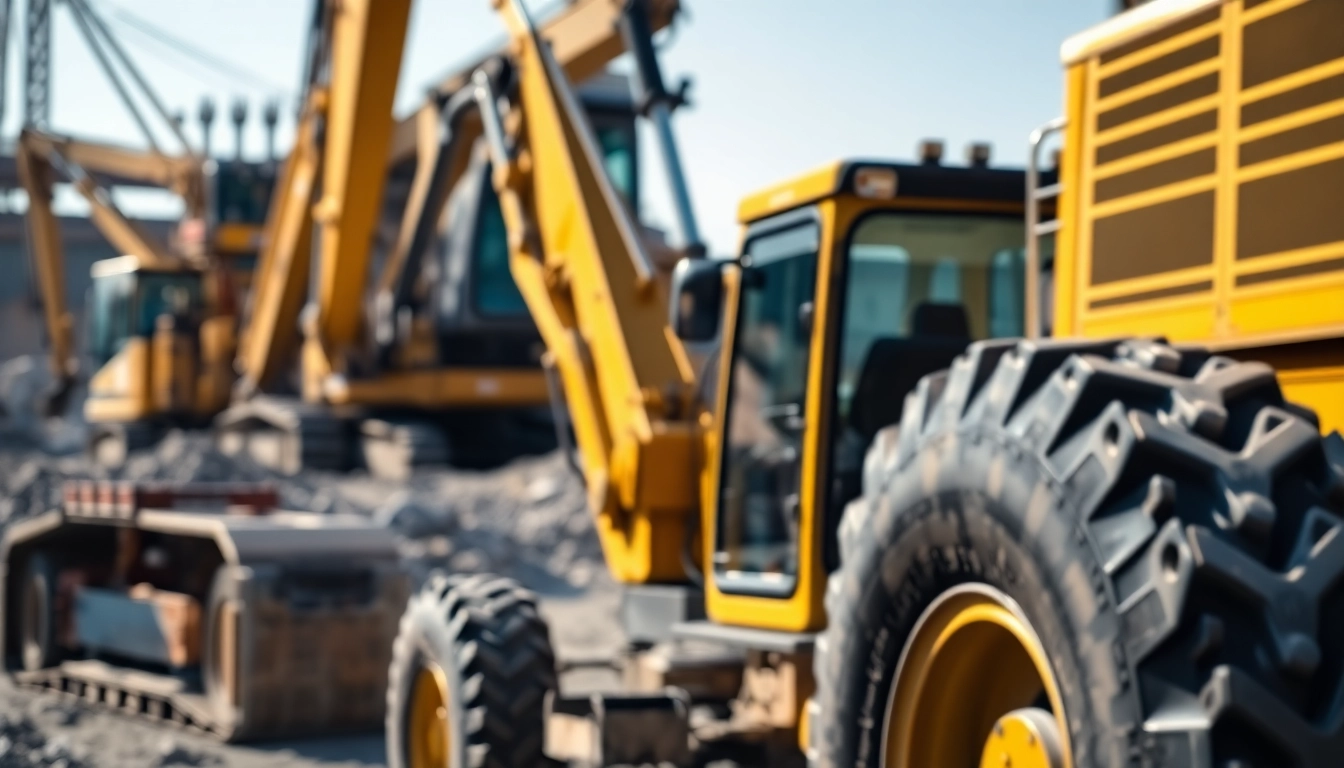
A Gradall is a specialized piece of equipment that combines the capabilities of an excavator with unique features designed for versatility and efficiency. Known primarily for its telescoping boom, this equipment can maneuver in tight spaces and adapt to various tasks, making it a staple in many construction settings. The ability of a Gradall to operate on both paved and unpaved surfaces enhances its utility, especially in projects requiring detail-oriented excavation or material handling. Unlike traditional excavators, the Gradall’s design focuses on achieving maximum reach and stability, which separates it from other equipment.
Key Features and Advantages
Gradall equipment is packed with features that cater specifically to the needs of modern construction projects. Here are some defining characteristics:
- Telescoping Boom: The Gradall’s unique boom design allows for extended reach without sacrificing stability. This is particularly useful for high precision jobs.
- Versatile Undercarriages: Gradalls come equipped with different undercarriage options, including wheeled models for highway use and crawler models for rough terrain.
- Multi-functional Attachments: With quick-change attachment capabilities, a single Gradall can handle a plethora of tasks, from demolition to landscaping.
- High Mobility: Designed for both on-road and off-road use, the Gradall can easily transition between different environments, enhancing operational efficiency.
- Durability: Built to withstand tough conditions, Gradall machines are engineered for longevity and reliability, allowing for minimal downtime in projects.
Different Types of Gradall Models
Gradall offers several models, each tailored for different applications and environments. They include:
- Gradall Crawler Excavators: Ideal for construction sites that need robust power and stability on uneven terrain.
- Gradall Wheel Excavators: Designed for highway and urban use, featuring fast travel speeds and greater maneuverability.
- Telehandler Gradalls: These units combine lifting, reaching, and excavating capabilities in one versatile piece of equipment.
- Specialized Models: Gradall also produces models tailored for specific industries, such as sewer maintenance and rail construction.
Applications of Gradall in Construction
Road Construction Tasks
In road construction, the Gradall’s ability to perform multiple functions makes it indispensable. It excels at tasks like pavement repair, ditch digging, and material placement. The quick-change attachments facilitate speedy transitions from one task to another, increasing workflow efficiency. Moreover, its maneuverability allows operators to work in narrow spaces between existing infrastructure, minimizing disruptions. Using a gradall in road projects can significantly reduce labor costs and time schedules.
Maintenance and Repair Work
Gradall units are frequently utilized for maintenance tasks such as clearing obstructed drainage systems, repairing roadside infrastructure, and executing emergency repairs. The adaptability in attachments allows a single machine to handle various maintenance activities, ensuring that roadways are kept in optimal condition. This flexibility is an essential aspect of urban planning and infrastructure management.
Landscaping and Earthmoving
Beyond construction and maintenance, Gradalls are equally effective in landscaping projects and earthmoving tasks. From grading to backfilling and landscaping, the variety of Quick Coupler attachments makes it easier to switch between earthmoving buckets, forks, and other tools. This multifunctional capacity empowers teams to complete landscaping projects faster and with more precision.
Operating a Gradall Safely
Pre-Operation Safety Checks
Prior to using a Gradall, operators must conduct a thorough safety inspection. This includes checking the hydraulic systems, controls, and structural integrity of the boom and undercarriage. Additionally, verifying the stability of the ground on which the machine will be operating is crucial. Ensuring that all safety features are functioning correctly can prevent malfunctions during operation.
Best Practices for Operation
Operating a Gradall requires training and adherence to safety protocols. Operators should maintain a safe distance from obstacles, use spotters when moving in tight spaces, and be aware of their surroundings to avoid potential hazards. Moreover, practicing efficient load handling techniques and understanding the machine's limits will prolong its life and improve safety.
Common Hazards and How to Avoid Them
Some common hazards associated with Gradall operation include tip-overs, falling loads, and equipment malfunctions. To mitigate these risks, operators should follow strict procedures, such as maintaining a low center of gravity when lifting heavy loads, using outriggers on uneven ground, and performing regular maintenance checks based on operational guidelines.
Maintenance Tips for Gradall
Routine Maintenance Schedule
Establishing a routine maintenance schedule is key to ensuring both the longevity and performance of a Gradall. Operators should document regular checks for hydraulic fluid levels, oil levels, and wear on key components. Adhering to the manufacturer's suggested maintenance intervals will help to identify issues before they develop into significant failures.
Identifying Wear and Tear
Operators should be trained to recognize the signs of wear in vital parts of the Gradall. Unusual sounds, vibrations, or performance issues often indicate underlying mechanical problems. Visual inspections should focus on hydraulic hoses, moving parts, and structural components for signs of stress or damage.
Emergency Repairs and Troubleshooting
In the event of an emergency breakdown, operators need to be equipped with basic troubleshooting skills and emergency repair kits. Common issues can involve hydraulic failures or electrical malfunctions. Understanding how to quickly diagnose problems can prevent lengthy downtime and maintain project timelines.
Purchasing or Renting Gradall Equipment
Factors to Consider When Buying
When considering purchasing a Gradall, potential buyers should assess their specific needs, the types of projects planned, and how often the machinery will be used. Financial considerations, such as budget constraints and financing options, also play a pivotal role. It's essential to evaluate long-term operational costs like maintenance and fuel consumption before making a decision.
Benefits of Renting Gradall
Renting a Gradall can offer significant short-term advantages. It provides access to the latest equipment without financial strain, enables companies to scale their machinery needs as projects evolve, and reduces maintenance responsibilities associated with ownership. Renting also allows companies to experiment with various models to find the best fit for their operations.
Making the Right Choice for Your Project
The decision between purchasing or renting should ultimately align with project needs, timelines, and financial strategies. For short-duration tasks with fluctuating requirements, renting may be more suitable. Conversely, for long-term operations with predictable requirements, purchasing can be more economically advantageous.
Frequently Asked Questions
1. What types of projects can benefit from using a Gradall?
Gradalls are versatile and can be effectively utilized in road construction, maintenance, landscaping, and earthmoving projects.
2. How does the telescoping boom improve Gradall functionality?
The telescoping boom provides extended reach and height, allowing greater versatility when working in tight or elevated spaces.
3. Are there specific safety certifications required to operate a Gradall?
Yes, operators typically need certifications that comply with OSHA regulations and perform equipment-specific training.
4. What is the average lifespan of a Gradall with proper maintenance?
With conscientious maintenance, a Gradall can last anywhere from 10 to 15 years, depending on usage and environmental conditions.
5. What factors influence the cost of renting a Gradall?
The cost can be influenced by rental duration, model type, local market rates, and any additional services like maintenance or delivery.