Understanding Astaxanthin
What is Astaxanthin?
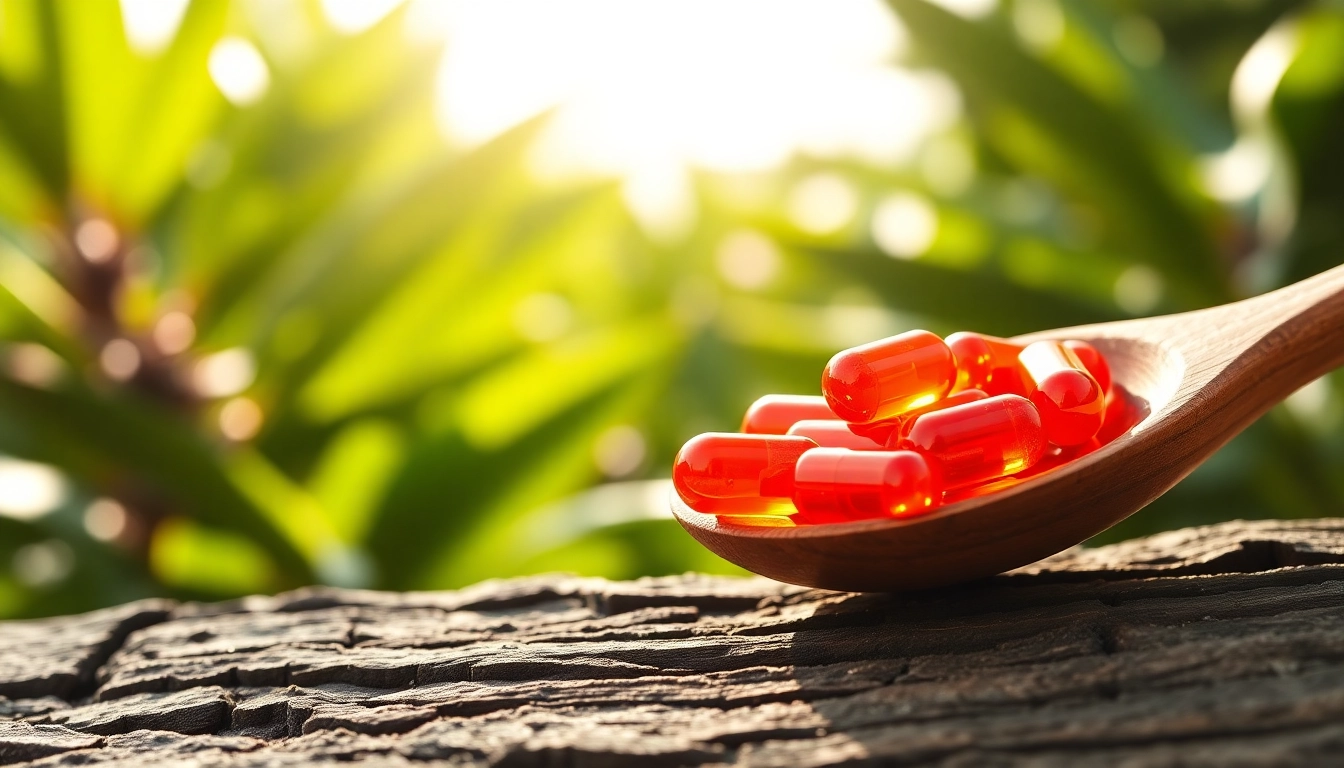
Astaxanthin is a powerful carotenoid pigment, a type of organic compound that provides color to various organisms, most notably found in marine life such as salmon, shrimp, and microalgae. This antioxidant is lauded for its potential health benefits and is often used as a dietary supplement. It is recognized for its capability to combat oxidative stress and inflammation, making it a popular choice among those looking to enhance their overall health.
Sources of Astaxanthin
Natural sources of astaxanthin include various types of microalgae, particularly Haematococcus pluvialis, which is considered the most potent source. In addition, astaxanthin is found in certain seafood such as sockeye salmon, shrimp, and lobster, which owe their distinctive pink or red coloration to this carotenoid. For those who prefer supplements, astaxanthin is available in various forms including capsules and powders, often derived from these mentioned sources.
Health Benefits of Astaxanthin
Numerous studies have explored the health benefits of astaxanthin. It is primarily noted for its potent antioxidant properties, which are believed to support skin health by reducing signs of aging, enhancing eye health, and potentially improving exercise performance. Additionally, some studies suggest that astaxanthin may help lower levels of inflammatory markers and improve cardiovascular health.
Recommended Dosage
How Much Astaxanthin Per Day for Average Adults
When considering how much astaxanthin per day, most research has indicated a daily dosage ranging from 4 mg to 12 mg for average adults. Several clinical studies support this range, with many suggesting that doses within this spectrum can help achieve desired health outcomes without adverse effects. As a general guideline, starting with 6 mg per day can be effective for many individuals.
Special Considerations for Active Individuals
Active individuals, such as athletes or those engaging in regular intensive physical activity, may require higher doses. Research indicates that dosages of 12 mg to 20 mg may enhance athletic performance, support recovery, and reduce exercise-induced oxidative stress. Those in this category should evaluate their specific health goals and perhaps consult with a health professional for personalized advice.
Dosage Guidance for Specific Health Goals
Different health objectives may necessitate dosage adjustments. For general health, maintaining a daily intake of around 6 mg appears sufficient. However, for anti-aging effects, studies have suggested that doses between 8 mg and 12 mg could be more beneficial. For specific conditions like joint pain or inflammation, higher doses of up to 20 mg may deliver significant relief. It is crucial to monitor individual responses and adjust accordingly, emphasizing the importance of professional guidance in such scenarios.
Safety and Side Effects
What Dosages Are Considered Safe?
While astaxanthin is generally recognized as safe at recommended doses, understanding tolerance levels is essential. Most studies have confirmed that doses up to 12 mg daily are well-tolerated. However, some research has explored higher intakes, reporting no severe side effects even at levels nearing 24 mg. Nevertheless, individuals should remain cautious and start with lower doses to assess personal tolerance.
Possible Side Effects of Astaxanthin
Astaxanthin is typically well-tolerated, but like any supplement, it may cause side effects in some. Commonly reported issues include gastric discomfort, changes in skin pigmentation, or allergic reactions. It’s advisable for new users to introduce astaxanthin gradually and observe for any adverse reactions. Should any severe symptoms occur, professional medical advice should be sought immediately.
Interacting Substances and Conditions
Astaxanthin may interact with certain medications or supplements. For example, as an antioxidant, it could potentially amplify effects when taken alongside other antioxidant supplements. Those on medication for blood pressure or blood thinning should consult healthcare providers to rule out interaction risks. Additionally, asthma or allergy sufferers may want to seek professional advice because individual responses can vary widely.
Research and Studies
Recent Findings on Astaxanthin Dosage
Recent studies have illuminated the optimal dosage of astaxanthin with varying results. Most recommend staying within the previously mentioned 6 mg to 12 mg daily range for general health benefits. However, some investigations into specific domains, such as athletic performance and skin health, advocate for higher dosages of up to 20 mg to achieve maximum efficacy. Continuous research is vital to refine our understanding of effective dosages.
Comparative Studies of Astaxanthin Consumption
Comparative studies have assessed the effects of astaxanthin versus other antioxidants. These studies often find astaxanthin to be exceptionally effective due to its unique molecular structure, which enables it to quench free radicals more efficiently. This aspect has led to investigations into its potential application in diverse health realms, such as heart health, immune function, and skin aging.
Long-Term Health Impacts of Regular Use
As more individuals opt for astaxanthin supplementation, understanding its long-term health impacts emerges as a critical area of study. Preliminary investigations suggest that regular intake may bolster long-term health by reducing oxidative stress and inflammation. However, long-term comprehensive human studies are still necessary to conclusively determine benefits and safety over extended periods.
FAQs about Astaxanthin
What is the best time to take astaxanthin?
The best time to take astaxanthin is typically with a meal that contains fat, as this aids in its absorption. Many find it beneficial to take it once daily to support consistent levels in the body.
Can I take astaxanthin with other supplements?
Yes, astaxanthin can be taken with other supplements. However, it is best to consult a healthcare professional, especially if taking blood thinners or medications for specific conditions, to avoid potential interactions.
Will astaxanthin help with skin health?
Many studies indicate that astaxanthin may improve skin health by reducing the effects of UV exposure and enhancing moisture and elasticity. It may also help diminish signs of aging.
Is there an upper limit for astaxanthin intake?
While no formal upper limit is established, most studies indicate that doses above 24 mg per day can increase the risk of side effects. Staying within 6 mg to 12 mg is generally recommended for safety.
Can astaxanthin improve athletic performance?
Research suggests that astaxanthin may enhance athletic performance by reducing oxidative stress and improving recovery times. Athletes may benefit from doses up to 20 mg per day for optimal effects.